

When it comes to fire safety, your staircase isn’t just a way to move between floors—it’s a critical escape route that can mean the difference between life and death. In Singapore, ensuring that your staircase is fire-rated is not just a good idea; it’s a legal requirement that can save lives and property. If you’re involved in any building project or renovation, understanding fire-rated staircases and ensuring compliance with fire safety regulations is crucial. So, let’s dive deep into what you need to know and how to find the right specialist to ensure your staircase meets all the necessary fire compliance standards.
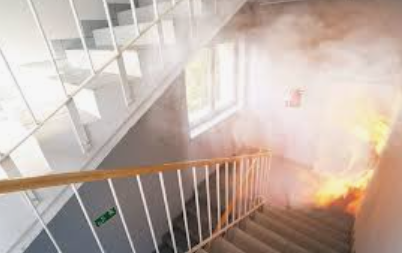
What is a Fire Rated Staircase?
A fire-rated staircase is a staircase that has been specifically designed and constructed to resist fire for a certain period of time, allowing occupants to safely exit the building during a fire. These staircases are usually constructed with fire-resistant materials and are enclosed within a fire-rated shaft to prevent the spread of flames and smoke.
In Singapore, the Building and Construction Authority (BCA) outlines strict guidelines for fire safety, and these include the standards for fire-rated staircases. The aim is to provide a safe passage for occupants and first responders in the event of a fire. The common fire rated system for a staircase is one to two hour.

Why is Fire Compliance Necessary for Staircases?
1. Legal Requirements:
In Singapore, the Fire Safety Act mandates that all buildings, whether residential or commercial, must adhere to specific fire safety standards. Non-compliance can lead to hefty fines, legal action, or even the closure of your building. But beyond legalities, these regulations are in place for a very good reason—saving lives.
2. Protecting Lives and Property:
A fire-rated staircase can withstand high temperatures and remain structurally sound long enough for people to evacuate safely. This reduces the risk of injury or death and can also minimize damage to the property.
3. Insurance and Liability:
Most insurance companies require buildings to comply with fire safety standards. Non-compliance could result in your insurance claims being denied in the event of a fire, leaving you financially vulnerable.
4. Peace of Mind:
Knowing that your building meets fire safety standards provides peace of mind. You can rest assured that in the event of a fire, the staircase will hold up, providing a safe exit for everyone inside.
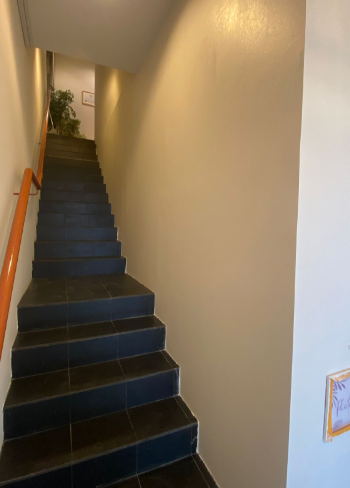
Key Components of a Fire-Rated Staircase
When designing or renovating a staircase to be fire-rated, there are several key components that need to be considered:
1. Fire-Resistant Materials:
The materials used in the construction of the staircase must be able to withstand high temperatures. Common materials include concrete, steel, and fire-resistant glass. Each of these materials has its own fire rating, which determines how long it can resist fire before failing. For existing staircase that build in oldest day, all the wall and staircase is required to be construct new additional fire rated material or demolish and rebuild.
2. Fire-Rated Doors:
The entrances to the staircase must be equipped with fire-rated doors. These doors prevent smoke and flames from entering the stairwell, allowing occupants to evacuate safely. The doors should also be self-closing and have an adequate seal to prevent the passage of smoke. Do not that a minimum landing space is required before reaching the door. 1.2 m is a norm.
3. Enclosed Stairwells:
In most cases, fire-rated staircases are enclosed within a fire-resistant shaft. This enclosure prevents the spread of fire and smoke into the staircase, ensuring that it remains a safe passageway.
4. Smoke Control Systems:
To further enhance safety, many fire-rated staircases are equipped with smoke control systems. These systems work to keep the stairwell free of smoke, improving visibility and air quality during an evacuation.
5. Fire Compartmentalization:
The staircase should be part of a broader fire compartmentalization strategy, where the building is divided into sections that can be isolated in the event of a fire. This helps to prevent the spread of fire and smoke, giving occupants more time to evacuate.
What Are the Necessary Steps for Fire Compliance?
1. Conduct a Fire Safety Assessment:
The first step in ensuring fire compliance is to conduct a thorough fire safety assessment. This will help identify any potential risks and ensure that your staircase meets the necessary fire safety standards.
2. Engage a Qualified Fire Safety Engineer:
A qualified fire safety engineer or QP / PE can help you navigate the complex regulations and ensure that your staircase is designed and constructed to meet all fire safety requirements. They will work with architects, builders, and other stakeholders to ensure that your project is fully compliant.
3. Obtain Necessary Approvals:
Before you can proceed with construction, you’ll need to obtain the necessary approvals from the relevant authorities. This includes submitting detailed plans and specifications for your fire-rated staircase.
4. Regular Inspections and Maintenance:
Once your staircase is constructed, regular inspections and maintenance are essential to ensure that it continues to meet fire safety standards. This includes checking the integrity of fire-resistant materials, ensuring that fire-rated doors are functioning correctly, and testing smoke control systems.
5. Compliance with Local Fire Codes:
Make sure that your fire-rated staircase complies with local fire codes and regulations. This includes adhering to the guidelines set by the BCA, as well as any additional requirements specific to your building type or location.
Finding the Right Specialist for Fire Rated Staircases in Singapore
Ensuring that your staircase is fire-rated and compliant with all safety regulations is not a DIY project. You need to engage with specialists who have the expertise and experience to get the job done right.
1. Look for Certified Professionals:
When choosing a specialist, make sure they are certified and have a proven track record in fire safety. Check for certifications from the BCA or other relevant authorities.
2. Experience in Fire Safety Compliance:
Choose a specialist with extensive experience in fire safety compliance. They should have a deep understanding of Singapore’s fire safety regulations and be able to guide you through the process from start to finish.
3. Comprehensive Services:
Opt for a specialist who offers a comprehensive range of services, from initial assessment and design to construction and ongoing maintenance. This ensures that all aspects of your fire-rated staircase are handled by experts.
4. Positive Reviews and References:
Check online reviews and ask for references to gauge the quality of the specialist’s work. A good reputation is a strong indicator of reliability and expertise.
5. Clear Communication:
Fire safety is a complex field, and you need a specialist who can explain the requirements and processes in clear, understandable terms. Good communication is key to ensuring that your project stays on track and within budget.
Stay Safe, Stay Compliant : Contact 9reno
A fire-rated staircase is not just a legal requirement; it’s a vital component of your building’s safety infrastructure. Ensuring that your staircase is fire-rated and compliant with Singapore’s fire safety regulations can save lives, protect property, and provide peace of mind.
Don’t cut corners when it comes to fire safety. Engage with a specialist who understands the intricacies of fire-rated staircases and can help you navigate the regulatory landscape. Whether you’re constructing a new building or upgrading an existing one, making sure your staircase is up to code is a crucial step in safeguarding everyone who uses it.
So, are you ready to take the next step? Reach out to a certified fire safety specialist today and ensure your staircase is safe, compliant, and built to last.
Further reading :